Protect Your Home Before the Snow Arrives
As temperatures drop and snow starts to collect on rooftops, ice dams become one of the most common causes of winter roof damage. They form quietly, but the problems they create are anything but small—leaks, soaked insulation, mold growth, damaged shingles, and costly repairs.
The good news: most ice dam issues are preventable with the right steps and a little preparation. Here’s what homeowners should know about preventing ice dams and keeping their roof protected all winter long.
What Exactly Is an Ice Dam?
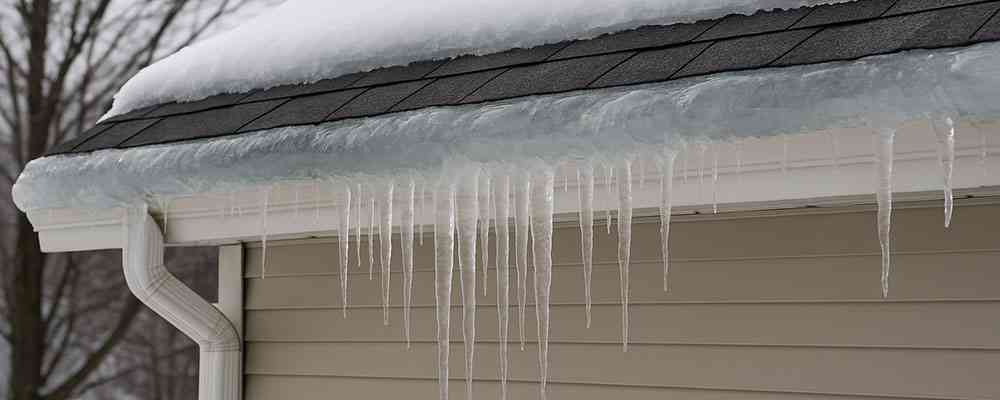
An ice dam forms when rising heat inside your home warms the roof deck, causing snow to melt. As the water runs down toward the edge of the roof, it refreezes—creating a thick ridge of ice. Once the dam forms, any additional melting snow has nowhere to go and backs up under the shingles.
That’s when leaks start.
Signs You May Have an Ice Dam Problem
Watch for these early warning signs:
Inside the Home:
- Water stains on ceilings or walls
- Damp insulation in the attic
- Musty smells coming from the attic
Outside the Home:
- Large icicles hanging along the roof edge
- Ice buildup in gutters
- Uneven snow melting on the roof
Spotting these early can help prevent bigger issues as temperatures drop.
How to Prevent Ice Dams
1. Improve Attic Insulation
Warm air from inside the home often escapes into the attic and heats the roof deck. Adding proper insulation keeps warm air out of the attic and reduces uneven snow melt on the roof.
2. Seal Air Leaks
Exhaust fans, chimneys, vent pipes, and light fixtures can leak warm air. Sealing these openings helps maintain consistent roof temperatures and reduces the risk of ice formation.
3. Improve Attic Ventilation
Good ventilation keeps the attic cold in winter, preventing premature snow melt. Ridge vents, soffit vents, or a balanced ventilation system help maintain proper airflow.
4. Keep Gutters Clear
Clogged gutters trap water and make ice damming worse. A quick cleaning before the first snowstorm helps ensure proper drainage.
5. Remove Excess Snow Safely
Using a roof rake to gently remove snow from the roof’s edge can reduce ice formation. Be careful not to damage shingles—or your back.
For steep roofs or hard-to-reach areas, calling a professional is always the safest option.
When to Call a Professional
If you notice water spots, attic dampness, or persistent icicles, it’s best to have your roof evaluated before damage spreads. A professional inspection can uncover hidden issues, such as:
- Cracked or lifted shingles
- Improper ventilation
- Damaged flashing
- Saturated insulation
Catching these early can save thousands in repairs once the heavy winter weather hits.
Goodwin Construction Is Here to Help
Goodwin Construction provides trusted exterior services and can help assess your roof before winter weather takes a toll. Whether you need repairs, improved ventilation, or an inspection after a storm, our team is here to protect your home.