Understanding Winter Roof Problems Before They Turn Costly
Many homeowners first start asking what is an ice dam on a roof after noticing icicles, water stains on ceilings, or damp insulation during the winter. Ice dams are a common cold-weather roofing issue, especially in areas like Northwest Indiana where winter temperatures fluctuate frequently. While they may look harmless from the outside, ice dams can quietly cause significant damage if left unaddressed.
Homeowners often assume winter roof problems are unavoidable, but understanding how ice dams form and why they matter can help prevent unnecessary repairs. This guide explains what ice dams are, how they develop, what risks they pose, and when it’s time to involve a professional roofing contractor. If you’re concerned about winter roof performance, Goodwin Construction regularly helps homeowners evaluate roofing issues before they turn into expensive problems.
What Is an Ice Dam on a Roof?
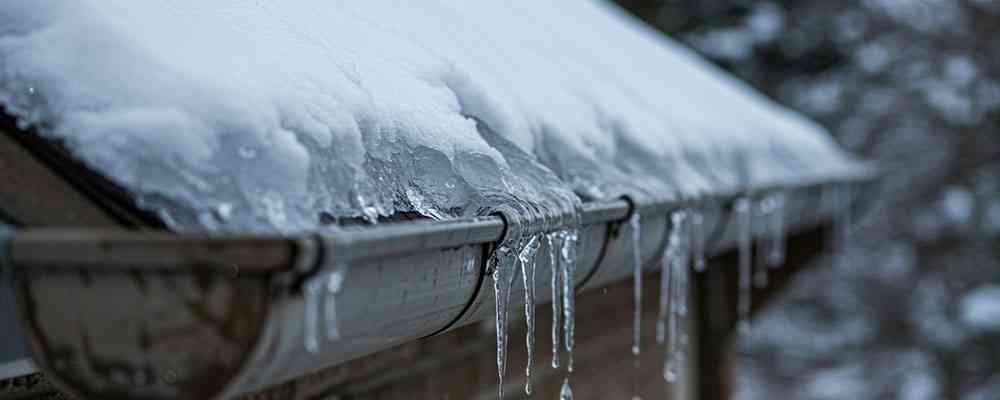
An ice dam is a ridge of ice that forms along the edge of a roof, typically near the eaves or gutters. It develops when melting snow refreezes at the colder roof edge, creating a barrier that prevents proper drainage. As additional snow melts behind the ice dam, water has nowhere to go and can be forced under shingles and into the roofing system.
When homeowners ask what is an ice dam on a roof, the key point to understand is that the problem isn’t the ice itself—it’s the trapped water behind it. Roofs are designed to shed water downward, not hold it in place. Once water backs up, it can bypass protective layers and find its way into areas never meant to get wet.
How Ice Dams Form During Winter
Ice dams don’t form simply because it’s cold outside. In fact, they usually develop due to temperature differences across the roof surface. Warm air inside the home rises and escapes into the attic, warming the upper portion of the roof. Snow melts in these warmer areas and flows downward toward the colder roof edges.
As the meltwater reaches the unheated eaves, it refreezes. Over time, repeated melting and refreezing cycles create a thick ice buildup. This process is especially common during winters with daytime thawing and nighttime freezing, a pattern frequently seen throughout the Midwest.
Why Ice Dams Are a Problem for Homeowners
Ice dams are more than a cosmetic issue. The biggest concern is water infiltration. Once water backs up behind an ice dam, it can slip beneath shingles, soak underlayment, and leak into the attic or interior walls.
Common problems caused by ice dams include:
- Roof leaks and interior water stains
- Damaged insulation and reduced energy efficiency
- Warped roof decking or rotting wood
- Peeling paint and drywall damage
- Mold growth in damp areas
Even small leaks can create long-term issues if moisture goes unnoticed. Over time, repeated exposure to water weakens roofing materials and shortens the overall lifespan of the roof.
Signs You May Have an Ice Dam
Not all ice dams are immediately obvious. While large icicles along the roof edge are often associated with ice dams, their presence alone doesn’t always mean there’s an active problem. However, when combined with other warning signs, they can indicate trouble.
Homeowners should watch for:
- Large or persistent icicles along eaves
- Water stains on ceilings or walls
- Damp or compressed attic insulation
- Peeling paint near exterior walls
- Visible ice buildup along roof edges
What Causes Ice Dams in Residential Homes
Several contributing factors make some homes more susceptible to ice dams than others. Poor attic insulation and inadequate ventilation are among the most common causes. When warm air escapes into the attic, it raises roof temperatures unevenly, encouraging snow melt.
Other contributing factors include:
- Air leaks around attic hatches, light fixtures, or ductwork
- Insufficient insulation depth
- Blocked or poorly designed ventilation systems
- Complex rooflines with valleys and dormers
- Heavy snowfall followed by freeze-thaw cycles
Seasonal and Environmental Factors That Increase Risk
Weather plays a major role in ice dam formation. Long periods of snow accumulation followed by mild daytime temperatures create ideal conditions for melting and refreezing. Roof orientation also matters—south-facing roof sections may warm faster, increasing uneven melting.
Environmental factors such as nearby trees, shaded roof sections, and regional snowfall patterns can all influence how ice dams develop. In Northwest Indiana, winter weather often fluctuates around the freezing mark, making ice dams a recurring seasonal concern for many homeowners.
Repair vs. Prevention: What Homeowners Should Expect
Costs associated with ice dam damage vary depending on the extent of water intrusion and the materials affected. Minor leaks may require limited repairs, while prolonged exposure can lead to more extensive work involving insulation, drywall, or roof decking.
Most homeowners can expect pricing to depend on several factors, including:
- Severity and duration of the ice dam
- Roof design and material type
- Extent of interior damage
- Accessibility of affected areas
Preventive improvements are often more cost-effective than repeated repairs. Addressing insulation and ventilation issues can reduce future risk and improve overall home energy efficiency.
Maintenance Tips to Reduce Ice Dam Risk
While ice dams can’t always be prevented entirely, proper maintenance significantly reduces their likelihood. Homeowners can take proactive steps before winter arrives.
Helpful prevention strategies include:
- Sealing attic air leaks around penetrations
- Adding insulation to maintain consistent attic temperatures
- Ensuring soffit and ridge vents remain clear
- Removing excessive snow buildup after heavy storms
- Scheduling periodic roof and attic inspections
When to Call a Professional Roofing Contractor
If you’re noticing repeated winter leaks, interior water damage, or heavy ice buildup along the roof edge, professional evaluation is recommended. Roofing professionals can assess insulation levels, ventilation performance, and roof condition to identify contributing factors.
Understanding what is an ice dam on a roof helps homeowners recognize that the issue often extends beyond surface ice. Professional inspections provide clarity and help prevent recurring winter damage.
Get Expert Help Before Winter Damage Spreads
Ice dams can quietly compromise your roof and interior if left unaddressed. Early evaluation and practical solutions can protect your home, improve energy efficiency, and reduce future repair costs. If you have concerns about winter roof performance or suspect ice dam-related damage, schedule a professional assessment.
To discuss your roof or request an inspection, contact Goodwin Construction. Their experienced team provides straightforward recommendations and dependable workmanship homeowners can trust.