
Storm Damage Is Not Always Obvious From the Ground
How can I tell if my roof has storm damage? It is a common question after strong winds, hail, heavy rain, or a severe thunderstorm moves through Northwest Indiana. Some roofing problems are immediately visible, but others can be difficult to recognize without taking a closer look. At Goodwin Construction, we help homeowners evaluate roofing and exterior issues so they can understand what may need attention and what can simply be monitored.
A roof can look normal from the driveway while still having loose shingles, damaged flashing, exposed areas, or impact marks that may shorten the life of the roofing system. Knowing what to look for after a storm can help you catch problems before they lead to more extensive repairs inside the home.
The safest approach is to begin with observations you can make from the ground and inside your home. You do not need to climb onto the roof to identify many of the warning signs that indicate a professional inspection would be worthwhile.
How can I tell if my roof has storm damage after severe weather?
Start by thinking about what happened during the storm. High winds, hail, falling branches, and wind-driven rain can affect a roof in different ways. A storm does not have to produce a tornado or extremely large hail to expose an existing weak point in an aging roofing system.
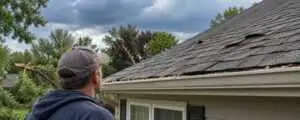
Walk around your property after conditions are safe and look at the roof from several angles. You may be able to see missing shingles, uneven roof sections, loose materials, or debris without getting on a ladder.
You should also check the rest of the property. Damage to siding, gutters, downspouts, window screens, fences, trees, or outdoor equipment can indicate that the roof was exposed to significant wind or hail as well.
Missing, Lifted, or Creased Shingles
Wind damage is one of the easier types of storm damage to recognize. Strong gusts can lift the edges of asphalt shingles and, in some cases, remove them completely. A missing shingle may leave the material underneath exposed to rain and sunlight.
Shingles do not always blow completely off the roof. Wind can lift a shingle and then allow it to settle back into place. From the ground, the roof may still appear intact even though the seal has been weakened.
Look for shingles that appear raised, crooked, curled, or out of alignment with the surrounding roof. You may also notice shingles or pieces of roofing material in the yard after a storm.
A shingle that has been repeatedly lifted by wind can eventually develop a crease or crack. Once that happens, it may no longer provide the same protection against water. A roofing professional can inspect questionable areas more closely and determine whether individual repairs are practical.
Hail Damage Can Be Harder to Recognize
Hail damage is often more subtle than missing shingles. Depending on the size of the hail, wind speed, roof age, and roofing material, impacts can damage the surface of asphalt shingles without creating an obvious hole.
Potential signs can include areas where protective granules have been knocked loose, dark impact marks, dents in softer metal components, or visible damage to gutters and downspouts. Damage to vehicles, siding, window screens, or outdoor furniture can also provide clues about the intensity of the storm.
If you are wondering How can I tell if my roof has storm damage when there are no missing shingles, hail impacts are one reason a closer inspection can be useful. Some damage is difficult to evaluate accurately from the ground.
The National Weather Service provides information about identifying and reporting severe weather, including hail, wind, and structural damage. Homeowners can review its storm observation and reporting guidance for additional information about the types of damage associated with severe weather.
Check Gutters and Downspouts for Clues
Your gutter system can provide useful information about what happened on the roof during a storm. Look for dents, loose sections, separation from the fascia, or downspouts that have shifted out of position.
It is also normal for asphalt shingles to lose some granules over time, particularly as they age. However, an unusual amount of granule material appearing in gutters or near downspout outlets shortly after a hailstorm may deserve additional attention.
Granules help protect asphalt shingles from exposure to sunlight and weather. Extensive granule loss can contribute to faster deterioration, although granules in a gutter alone do not automatically mean the roof must be replaced.
Look for Damage Around Roof Edges and Flashing
The edges and transitions of a roof are especially important because they help keep water from reaching vulnerable areas of the structure. Storms can loosen materials around eaves, roof penetrations, valleys, and other transitions.
Flashing is commonly installed where roofing meets other parts of the structure. If flashing becomes loose, bent, displaced, or damaged, water may be able to enter even if the surrounding shingles still look relatively normal.
These areas are not always easy to inspect safely from the ground. If something appears out of place around a roof edge or transition, avoid climbing up to investigate it yourself, especially immediately after wet or windy weather.
Check the Attic and Ceilings for Water
Some of the most important storm damage signs appear inside the house rather than on the roof itself. After heavy rain, inspect ceilings and upper-level rooms for discoloration, damp drywall, bubbling paint, or new water stains.
If your attic is safely accessible, look for damp insulation, wet wood, dripping water, or areas where daylight appears to be entering through the roof structure. A musty smell can sometimes indicate that moisture has been present even if active dripping has stopped.
Keep in mind that the location where water appears indoors may not be directly underneath the damaged section of roofing. Water can travel along roof decking, framing, or other components before becoming visible inside the home.
A small stain should not automatically be treated as a major emergency, but it should not be ignored either. Finding the source early can help limit additional moisture damage.
Falling Branches and Debris Can Cause Localized Damage
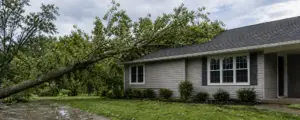
Northwest Indiana storms can bring down branches even when the roof itself handles the wind well. A branch that lands on a roof may crack shingles, damage flashing, puncture roofing materials, or affect the decking underneath.
Large impacts are usually obvious, but smaller branches can also scrape across shingles or strike roof edges. After a storm, look for broken branches on the property and inspect the general area of the roof below nearby trees.
If a large tree or limb is resting on the roof, stay clear of the affected area and avoid attempting to remove it yourself. Structural damage may not be visible, and shifting the debris could create additional hazards.
Why Even Minor Roof Damage Matters
A roof is made up of multiple components working together to move water away from the home. Damage does not always cause an immediate leak. Instead, it may weaken one part of the roofing system and allow problems to develop gradually.
For example, a lifted shingle might continue to shed water under normal conditions but become vulnerable during the next wind-driven rain. A small damaged area around flashing can also allow moisture to work its way underneath surrounding materials over time.
The practical solution is not to assume every storm means you need a new roof. Instead, look for changes and have questionable damage evaluated before repeated exposure makes the problem harder to address.
Storm Damage or Normal Roof Aging?
One challenge for homeowners is separating storm damage from ordinary wear. Asphalt shingles naturally change as they age. They may gradually lose granules, become less flexible, or begin curling around the edges.
Storm damage tends to appear suddenly or become noticeable shortly after severe weather. Missing shingles, fresh creases, newly exposed roofing areas, dents, or branches striking the roof are stronger indications that a recent weather event may have contributed to the problem.
Age still matters. An older roof may be more vulnerable because years of exposure to sun, temperature changes, wind, snow, and moisture can reduce the flexibility and condition of roofing materials.
This is one reason two neighboring homes can go through the same storm and experience very different results.
How Northwest Indiana Weather Affects Your Roof
Roofs in Northwest Indiana experience a wide range of weather throughout the year. Summer thunderstorms can bring strong winds, hail, and heavy rain, while winter adds snow, ice, freezing temperatures, and repeated freeze-thaw cycles.
Seasonal temperature changes can also affect roofing materials over time. Materials expand and contract as temperatures change, while older sealants and roofing components can gradually deteriorate.
A storm that would have caused little concern when a roof was relatively new may reveal weak areas years later. Home age, roof age, previous repairs, tree coverage, roof design, and exposure to prevailing winds can all influence how a particular property responds to severe weather.
Checking the exterior after major storms is therefore a useful part of routine home maintenance, especially as a roof gets older.
When a Professional Roof Inspection Makes Sense
You do not necessarily need a professional inspection after every thunderstorm. However, there are situations where having someone evaluate the roof can provide useful information.
Consider scheduling an inspection when you notice:
- Missing or visibly displaced shingles
- Roofing materials in the yard
- New ceiling stains or signs of moisture
- Dented or damaged gutters and downspouts
- Tree limbs or debris that struck the roof
- Shingles that appear lifted, curled, or uneven
- Visible damage after hail or unusually strong winds
- A change in the roof’s appearance following a major storm
You may also want an inspection when neighboring homes experienced significant roof or exterior damage during the same storm. That does not mean your roof is automatically damaged, but it can indicate that your property was exposed to similar conditions.
Repairing Storm Damage vs. Replacing the Roof
Finding damage does not automatically mean the entire roofing system needs to be replaced. Localized problems may sometimes be addressed with repairs, while widespread damage or significant deterioration can make replacement the more practical option.
The condition and age of the existing roof are important factors. Repairing a relatively small damaged area on an otherwise healthy roof is different from repairing multiple areas on a roof that is already approaching the end of its useful life.
The type and extent of damage also matter. A few damaged shingles, widespread wind lifting, multiple hail impacts, damaged roof decking, and active water intrusion represent very different situations.
A professional evaluation should focus on the condition of the roof rather than assuming replacement is necessary. Homeowners should understand what was found, where the damage is located, and why a repair or replacement is being recommended.
What Influences the Cost of Storm Damage Repairs?
Pricing depends on several factors, and two roofs affected by the same storm can require very different amounts of work. The size and accessibility of the damaged area are important, but they are not the only considerations.
Costs vary depending on the type of roofing material, roof pitch, number of damaged areas, condition of the underlying roof, accessibility, and whether components beyond the shingles need attention.
For example, a straightforward repair involving a small section of roofing may require considerably less work than damage involving multiple slopes or underlying roof decking. Flashing, gutters, siding, and other exterior components may also need to be evaluated depending on what occurred during the storm.
Most homeowners can expect a contractor to inspect the roof before providing meaningful recommendations. If you are asking How can I tell if my roof has storm damage because you are trying to estimate repair costs, identifying the actual extent of the damage is the most useful first step.
What to Do Immediately After a Storm
Once the severe weather has passed and conditions are safe, document anything unusual around your property. Photos taken from ground level can be helpful for keeping track of changes and comparing the roof’s condition later.
Check the yard for shingles, pieces of flashing, branches, or other debris. Walk around the home and inspect gutters, siding, windows, and visible roof surfaces without putting yourself in an unsafe position.
Inside, check upper floors and ceilings for moisture. If you notice active leaking, protect furniture and belongings from water when it is safe to do so and arrange for the source to be evaluated.
Avoid walking on a roof after a storm. Wet roofing materials can be slippery, and damaged areas may not support weight the way you expect. A visual inspection from the ground is a safer starting point.
Maintenance Can Make Storm Problems Easier to Catch
You cannot prevent severe weather, but routine exterior maintenance can make it easier to recognize when something changes.
Periodically look at the roof from the ground and become familiar with its normal appearance. When you know how the shingles, roof edges, gutters, and flashing usually look, fresh storm damage is easier to recognize.
Keep gutters and downspouts functioning properly so rainwater can move away from the roof and foundation. Watch for branches that regularly rub against the roof or hang directly over it, and address exterior maintenance issues before they become more significant.
It is also helpful to pay attention to changes inside the home. New stains, moisture, or unexplained dampness may be an early warning sign even when the exterior problem is not immediately visible.
Do Not Wait for a Major Leak to Investigate Damage
One of the biggest misconceptions about storm damage is that a roof must be leaking before there is a problem. Roofing systems are designed with multiple layers, so some damage can exist for a period of time before water becomes visible indoors.
Waiting for a ceiling leak can turn a relatively contained exterior issue into a problem involving insulation, drywall, wood, or interior finishes. That does not mean every questionable shingle requires immediate replacement, but visible changes after severe weather are worth paying attention to.
A timely inspection can help determine whether the roof is still performing properly, needs a localized repair, or has more extensive damage that should be addressed.
Schedule a Professional Roof Inspection
If a recent storm has left you unsure about the condition of your roof, a professional inspection can give you a clearer picture of what happened and what, if anything, needs to be repaired. Goodwin Construction provides roofing and exterior remodeling services for homeowners and commercial properties throughout Northwest Indiana, with a focus on reliable workmanship, clear communication, and practical recommendations.
You can contact Goodwin Construction to have your roof evaluated after hail, strong winds, heavy rain, or other severe weather. Catching legitimate damage early can help you make an informed decision and keep the exterior of your property protected through the next season.