Does homeowners insurance cover roof damage in Indiana? In many cases, yes—but coverage depends on what caused the damage, what your policy says, and whether the problem is sudden storm damage or long-term wear. If you’re in Northwest Indiana and you’ve just been hit with high winds, hail, or heavy snow, it’s normal to feel unsure about what happens next.
At Goodwin Construction LLC, we help local homeowners document storm-related issues, understand the claim process, and get a clear plan for repairs. If you’re trying to figure out whether you’re looking at an insurance situation or a maintenance issue, this guide will walk you through the most common coverage scenarios, the biggest reasons claims get denied, and the next steps that usually lead to the smoothest outcome.
What Indiana homeowners insurance typically covers on a roof
Most homeowners insurance policies include dwelling coverage, which is designed to help repair or rebuild the structure of your home if it’s damaged by a covered event. Since your roof is part of the structure, roof damage is often covered when it’s caused by a covered peril—meaning a sudden, accidental event that your policy lists as covered.
Common covered causes of roof damage often include:
- Wind (including storm gusts that lift, crease, or remove shingles)
- Hail (impacts that bruise shingles, crack tiles, or damage vents and flashing)
- Falling trees or large branches (impact damage)
- Fire
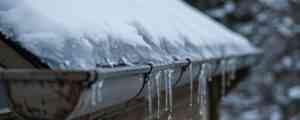
- Weight of ice or snow (when it causes collapse or structural damage, depending on the policy)
In Northwest Indiana, the most frequent roof-related claims typically involve wind and hail after severe thunderstorms. That said, two policies from two different carriers can treat the “same” storm differently based on endorsements, exclusions, and roof settlement terms.
Also worth noting: Indiana doesn’t require homeowners insurance by law, but if you have a mortgage, your lender will almost always require you to carry coverage. Even if your home is paid off, maintaining a solid policy can protect you from major out-of-pocket costs when storms hit.
Wind and hail roof damage insurance Indiana: what’s usually covered
When people ask, “does homeowners insurance cover roof damage in Indiana,” they’re often asking about wind and hail specifically. Wind and hail are commonly covered, but the details matter:
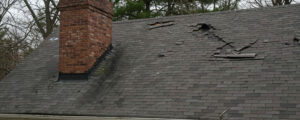
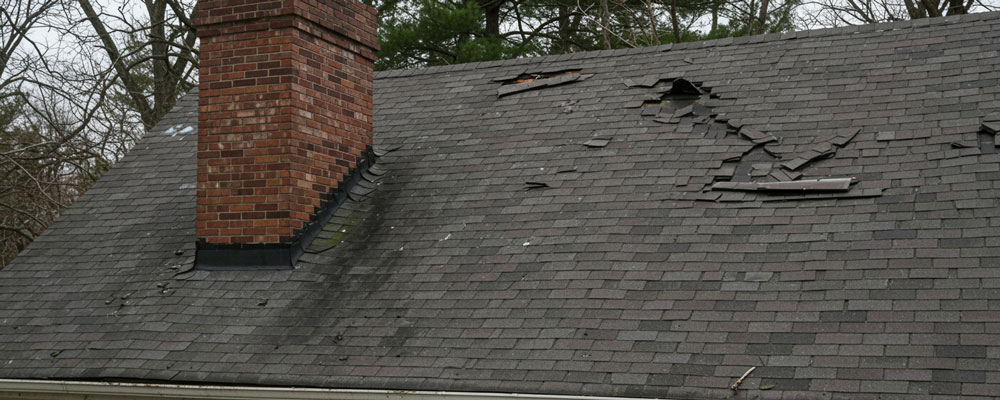
- Wind: Insurance may cover shingles that are missing, lifted, creased, or torn—especially if a contractor can point to storm-related patterns (not just age-related brittleness).
- Hail: Coverage usually depends on whether the hail caused functional damage (shortened life, exposed mat, cracked materials, compromised seals), not just marks that “look bad.”
- Accessory damage: Storms can also damage flashing, ridge caps, vents, chimney caps, gutter systems, soffit/fascia, and siding. These areas should be inspected too.
Important: some policies include cosmetic damage exclusions for certain materials or situations. That means a roof could show visible hail impacts, but the carrier may argue the roof still functions normally. Whether that’s fair is case-by-case—and it’s one reason a thorough inspection and clear documentation matters.
Roof damage that insurance will not pay for (common exclusions)
This is where homeowners often get frustrated: insurance is built for sudden, accidental damage—not gradual deterioration. Even after a real storm, a claim can be denied if the carrier believes the roof issues are mainly due to age, maintenance problems, or pre-existing conditions.
Common reasons roof claims get denied include:
- Normal wear and tear: Aging shingles, granule loss, brittle materials, and “end-of-life” roof conditions are typically treated as maintenance issues.
- Improper maintenance or neglect: Long-term leaks, rotted decking from ongoing moisture, clogged gutters that backed water up under shingles, or repeated patchwork that failed.
- Installation or workmanship issues: Improper flashing, nail placement problems, ventilation issues, or manufacturer defects (these may fall under warranties rather than insurance).
- Pre-existing damage: If the roof already had problems, a storm may reveal them—but not necessarily “cause” them in the insurer’s view.
- Flood-related water: Standard homeowners policies generally don’t cover damage from rising floodwater. Flood coverage is typically separate.
Even if water shows up inside the home, the insurer may focus on the “source” of the water. A sudden opening created by wind that lets rain in is often treated differently than a long-term leak through worn flashing.
Replacement cost vs. actual cash value: why payouts can vary
If your roof is damaged by a covered event, the next big question is how the policy pays. This is where terms like replacement cost value (RCV) and actual cash value (ACV) matter.
- Replacement Cost Value (RCV): Generally aims to pay what it costs to repair/replace with like kind and quality at today’s pricing (often paid in stages: initial payment, then “recoverable depreciation” after work is completed and invoices are provided).
- Actual Cash Value (ACV): Typically subtracts depreciation based on age and condition, resulting in a lower payout.
Many homeowners are surprised to learn that some policies apply ACV to roof coverings (or switch to ACV at certain roof ages), depending on the carrier and endorsements. There’s no single statewide rule here—so the most accurate statement is: your policy language determines whether you’re RCV, ACV, or a roof-specific settlement approach.
How roof age and materials can affect Indiana roof replacement insurance coverage
Indiana roof replacement insurance coverage can vary significantly based on your roof’s age, material type, and policy endorsements. In general:
- Newer roofs: More likely to qualify for replacement-cost style coverage, depending on the policy.
- Older roofs: More likely to face depreciation, roof settlement endorsements, inspection requirements, or partial-coverage limitations.
- Material matters: Asphalt shingles, metal roofing, tile, and specialty systems can be evaluated differently. Matching and availability can also affect how repairs vs. replacement decisions are handled.
Upgrading materials can also influence outcomes. Impact-resistant shingles (often Class 4 rated) may qualify for discounts with some insurers and can be more durable in hail-prone conditions. If you’re considering replacement for long-term protection, that may be worth discussing with both your contractor and your insurance agent.
Goodwin Construction is a GAF Certified contractor, and we can help homeowners understand material options that fit local weather patterns without overpromising what any insurer “will” do.
Roof insurance claim in Indiana: a step-by-step checklist after a storm
If you suspect storm damage, the first few days matter. Here’s a practical process that helps homeowners avoid common mistakes while creating strong documentation.
1) Document what you can—safely
Take clear photos and video from the ground. Capture:
- Missing or lifted shingles
- Dented gutters/downspouts
- Damaged vents, flashing, or ridge caps
- Fallen branches or debris
- Interior staining or active leaks (if present)
Don’t climb on a roof that may be compromised. Besides the safety risk, foot traffic can cause additional damage that complicates the story of what happened.
2) Mitigate additional damage (without doing major repairs)
Most policies expect you to take reasonable steps to prevent further damage. That might mean temporary tarping or controlling interior water exposure. Keep receipts for any emergency measures. Avoid permanent repairs until you’ve documented conditions and you understand the claim direction.
3) Review your policy basics before you call
Before contacting your insurer, it helps to know:
- Your wind/hail deductible (flat vs. percentage)
- Whether your roof is RCV or ACV (or has a roof settlement endorsement)
- Any cosmetic damage limitation language
You don’t need to become an expert—you just want enough clarity to avoid surprises.
4) Contact your insurance company and start the claim
Most policies require prompt notice of a loss. Exact deadlines vary by policy and carrier, so it’s smart to report as soon as reasonably possible after you discover damage. If you’re unsure whether the damage is claim-worthy, a professional inspection can help you make that decision with confidence.
5) Prepare for the adjuster inspection
Your insurer may send an adjuster to inspect the roof and related exterior components. Adjusters may document damage across different slopes and features, and some use sampling methods (sometimes called test squares) to quantify hail impacts or wind effects.
The goal is to ensure the inspection reflects the full scope of storm-related issues—not only the most obvious areas.
Problem → impact → solution: why storm claims get complicated
The problem
After a storm, homeowners often see a mix of issues: some new damage, some older roof conditions, and sometimes water staining that may have started earlier but became visible during heavy rain. Insurance decisions often come down to one question: was this caused by a covered event, or is it primarily wear, deterioration, or another excluded cause?
The impact
If the damage isn’t documented clearly, homeowners can end up with:
- A denial based on wear-and-tear assumptions
- A partial scope that misses accessory items (flashing, vents, gutters, siding, soffit/fascia)
- A repair recommendation that doesn’t solve the underlying problem
- Unexpected out-of-pocket cost due to ACV or deductible structure
The solution
The best approach is a combination of good documentation, a clear contractor inspection report, and a realistic understanding of what the policy can and can’t do. A contractor can help identify storm indicators versus age-related conditions, but the insurer ultimately decides coverage based on the policy language and their evaluation.
Why a professional inspection helps (even if you haven’t filed yet)
A contractor inspection is valuable because it creates an informed picture of roof condition and storm impact—especially when damage is subtle. Hail bruising, lifted shingle seals, compromised flashing, and damaged vents aren’t always easy to confirm from the ground.
At Goodwin Construction, we focus on:
- Identifying storm-related indicators (not just “general aging”)
- Checking the full exterior system, not only shingles
- Documenting findings with photos and a clear explanation
- Providing a repair or replacement plan that makes sense for the home
This helps homeowners decide whether filing a claim is appropriate and helps reduce the chance that key damage gets overlooked.
Understanding your deductible and whether a claim is worth it
Your deductible is the amount you pay out of pocket before insurance contributes. In Indiana, it’s common to see either:
- Flat deductibles (example: $1,000 or $2,500)
- Percentage deductibles for wind/hail (example: 1%–5% of the home’s insured value)
For example, if your home is insured for $250,000 and you have a 2% wind/hail deductible, your deductible would be $5,000. That’s why it’s important to compare the likely repair cost to the deductible before assuming insurance is the best route.
Also keep in mind: claims history can influence renewal pricing and underwriting decisions. How much it affects you depends on your carrier, your location, and your loss history. The safest approach is to treat insurance as protection against meaningful loss—not a guaranteed “free roof” option.
A quick warning about “free deductible” offers
You may hear contractors say they’ll “waive your deductible” or “cover it for you.” In Indiana, contractors are generally prohibited from offering to pay, waive, or rebate a homeowner’s insurance deductible as an inducement to sign a contract. Beyond the legal risk, it’s also a red flag for inflated invoices or corner-cutting.
Work with a contractor who is transparent about pricing, scope, and what the insurance process can realistically support.
What to do if your claim is denied or underpaid
If your insurer denies the claim or approves a scope that doesn’t match the real repair needs, you still have options. The right move depends on why the decision was made.
- Request clarification in writing: Ask for the specific policy language and reasoning behind the decision.
- Provide additional documentation: Photos, contractor findings, and itemized estimates can sometimes resolve misunderstandings.
- Use the appraisal clause (if available): Many policies include an appraisal clause for disputes about the amount of loss. This is not the same as disputing coverage, but it can help when both sides agree damage exists and disagree on cost.
- Consider a public adjuster: A public adjuster works for the homeowner, not the insurance company, and may help with documentation and negotiation (they typically charge a fee based on the claim recovery).
- Use consumer resources: The Indiana Department of Insurance may be an option for complaints or consumer guidance if you believe the claim is being handled unfairly.
Deadlines for claims, proof-of-loss paperwork, and lawsuits can vary widely based on policy terms and the type of dispute. If the situation escalates, it’s wise to get qualified advice so you don’t miss an important policy deadline.
Next steps: how to protect your roof before the next storm
Even the best insurance policy won’t fix maintenance problems—so the smartest way to avoid headaches is to keep your roof in solid condition year-round. Simple steps can make a real difference:
- Clean gutters and downspouts so water drains correctly
- Trim overhanging branches that can scrape shingles or fall during wind events
- Replace a few damaged shingles promptly before a small issue becomes a leak
- Get periodic inspections—especially if your roof is older or you’ve had recent storms
- Consider impact-resistant materials if hail is a recurring issue in your area
If you’ve been wondering, “does homeowners insurance cover roof damage in Indiana” because your roof is aging, that’s your sign to get ahead of it. A newer roof in good condition is easier to evaluate, easier to insure, and far less likely to turn into an emergency during the next severe weather season.
Does homeowners insurance cover roof damage in Indiana? Get a clear answer with a professional inspection
Does homeowners insurance cover roof damage in Indiana? Often it does—when the damage is caused by a covered event and the policy terms support it. The fastest way to reduce uncertainty is to get a professional inspection so you understand whether you’re dealing with storm damage, wear-and-tear, or a mix of both.
Goodwin Construction LLC is a family-owned, GAF Certified, BBB Accredited company serving Northwest Indiana. We provide honest assessments, quality workmanship, and clear communication from start to finish.
If you want a no-pressure inspection and a clear plan, reach out today.