Cold winters, sharp winds, and frequent temperature swings can make it difficult to keep a home comfortable and energy efficient. Many homeowners start noticing higher heating bills, chilly interior walls, or persistent drafts and begin asking an important question: what siding options are best for energy efficiency in cold climates?
Exterior siding plays a larger role in home performance than many people realize. It acts as a protective layer against the elements, helping regulate indoor temperatures and reduce energy loss throughout the year. Choosing the right siding can make a noticeable difference in comfort, efficiency, and long-term durability.
Goodwin Construction works with homeowners throughout Northwest Indiana who want practical, well-installed exterior solutions that stand up to harsh winters without unnecessary upgrades or pressure. This guide breaks down how siding affects energy efficiency, which materials perform well in cold climates, and what homeowners should consider before making a decision.
How Siding Affects Energy Efficiency in Cold Weatherhouse wrap and weather barriers
Energy efficiency is often associated with insulation and windows, but siding plays a key supporting role. While siding alone does not replace proper wall insulation, it influences how well your home resists heat loss and blocks cold air.
In winter conditions, poorly performing siding can allow cold air infiltration, increase thermal bridging through wall studs, and contribute to uneven indoor temperatures. High-quality siding systems, especially when installed correctly, help protect the building envelope and support consistent indoor comfort.
Energy-efficient siding helps by:
- Reducing air leaks along exterior walls
- Supporting wall insulation systems
- Limiting moisture intrusion that can compromise insulation
- Creating a more stable indoor temperature during extreme cold
Signs Your Current Siding May Be Hurting Efficiency
Homeowners often assume rising heating costs are caused solely by aging furnaces or drafty windows. In many cases, exterior siding contributes more than expected. Certain warning signs suggest your siding may not be performing well in cold conditions.
Common indicators include cold interior walls, noticeable drafts near outlets or baseboards, peeling paint on interior walls, or higher-than-normal winter utility bills. Visible damage such as cracks, warping, or gaps in siding panels can also allow cold air and moisture to penetrate the wall system.
Older siding materials may lack modern design improvements that help reduce heat transfer. When these issues appear, evaluating siding performance alongside insulation and windows can provide a clearer picture of where energy loss is occurring.
What siding options are best for energy efficiency in cold climates?
When evaluating siding for cold climates, performance depends on material properties, installation quality, and how well the system integrates with insulation and weather barriers. Several siding types are commonly used in colder regions because they balance durability, efficiency, and long-term value.
Insulated Vinyl Siding
Insulated vinyl siding combines traditional vinyl panels with a built-in layer of rigid foam insulation. This added insulation helps reduce thermal bridging and improves the overall R-value of exterior walls.
For cold climates, insulated vinyl can improve comfort by keeping interior wall surfaces warmer and reducing drafts. It also resists moisture, which is important during freeze-thaw cycles. When installed correctly, this siding option provides consistent performance without requiring extensive maintenance.
Fiber Cement Siding
Fiber cement siding is known for its durability and resistance to weather extremes. While it does not provide insulation on its own, it pairs well with properly installed house wrap and wall insulation.
In cold regions, fiber cement performs well because it does not warp or crack easily under temperature fluctuations. Its density helps block wind infiltration, and when combined with insulated wall assemblies, it contributes to a stable building envelope.
Engineered Wood Siding
Engineered wood siding offers the appearance of natural wood with improved resistance to moisture and temperature changes. It typically performs better than traditional wood siding in cold climates when properly sealed and installed.
This material works best when installed with continuous insulation and proper flashing details. It can be a good choice for homeowners who want a balance of visual appeal and dependable cold-weather performance.
Traditional Wood Siding
Natural wood siding can provide some insulating value, but it requires careful installation and regular maintenance to perform well in cold climates. Moisture intrusion and freeze-thaw cycles can shorten its lifespan if not properly managed.
While wood siding can be used successfully in colder regions, it is generally chosen for aesthetic reasons rather than maximum energy efficiency. Additional insulation and protective measures are essential to ensure long-term performance.
Why Installation Quality Matters as Much as Material
Even the most energy-efficient siding material can underperform if installation details are overlooked. Gaps, improper flashing, or missing weather barriers allow cold air and moisture to bypass the siding system entirely.
Professional installation focuses on sealing transitions, aligning panels correctly, and integrating siding with insulation, windows, and doors. Properly installed siding supports the entire exterior system rather than acting as a standalone solution.
This is why experienced contractors emphasize preparation, flashing, and moisture control just as much as the siding material itself. Long-term energy efficiency depends on how well all components work together.
Cold Climate Factors That Influence Siding Performance
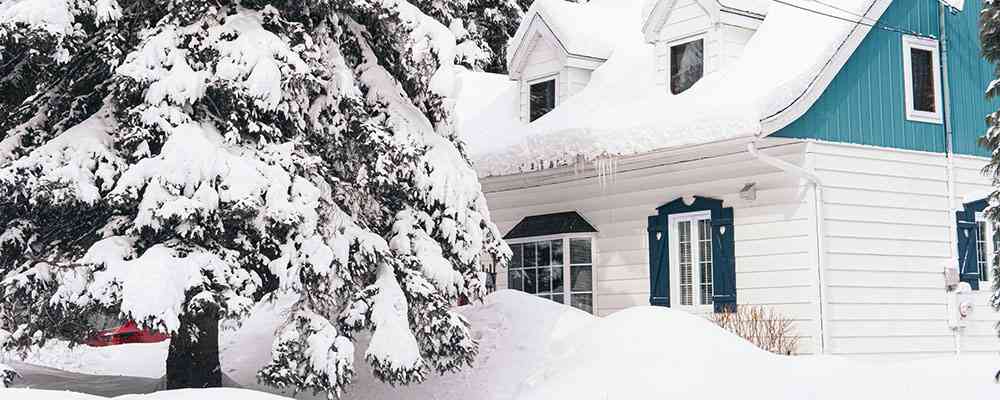
Homes in Northwest Indiana face specific environmental challenges that influence siding performance. Long winters, strong winds, snow accumulation, and fluctuating temperatures all place stress on exterior materials.
Freeze-thaw cycles can cause expansion and contraction that leads to cracks or gaps in poorly installed siding. Wind-driven cold air increases heat loss through exterior walls. Snow and ice buildup can introduce moisture that affects insulation if siding systems are not properly sealed.
Choosing siding designed to handle these conditions helps reduce wear and maintain consistent energy performance throughout the winter season.
Repair vs. Replacement: What Homeowners Should Consider
In some cases, energy efficiency issues can be improved with targeted siding repairs. Replacing damaged panels, resealing joints, or improving flashing may help reduce drafts and moisture infiltration.
However, widespread aging, recurring damage, or outdated materials often make full replacement the more practical long-term solution. New siding systems provide better integration with modern insulation methods and building standards.
Most homeowners benefit from a professional evaluation to determine whether repairs will address efficiency concerns or if replacement offers better value and performance over time.
Cost Considerations Without Guesswork
Siding costs vary depending on material choice, home size, installation complexity, and existing conditions. Energy-efficient siding options may involve a higher upfront investment but can help reduce heating costs over time.
Pricing also depends on whether additional insulation or structural repairs are needed. Homes with older construction may require more preparation to achieve optimal performance.
Rather than focusing solely on material cost, homeowners should consider durability, maintenance requirements, and how well the siding supports long-term energy efficiency.
Maintenance and Prevention Tips for Cold-Weather Performance
Even high-performing siding benefits from routine maintenance. Regular inspections help identify small issues before they impact efficiency.
Homeowners can protect siding performance by:
- Checking for cracks, gaps, or loose panels each year
- Ensuring caulking and sealants remain intact
- Keeping snow and ice from accumulating against exterior walls
- Addressing moisture issues promptly
Maintaining siding helps preserve insulation effectiveness and prevents cold air infiltration over time.
Understanding Building Science and Energy Performance
Energy-efficient siding works best as part of a complete exterior system. According to the U.S. Department of Energy, controlling air leakage and thermal bridging is critical for reducing heat loss in cold climates.
Continuous insulation, proper air sealing, and weather-resistant barriers all play a role in how siding contributes to overall energy efficiency. These principles guide material selection and installation methods for cold-weather performance.
You can learn more about building envelope efficiency and insulation strategies from the U.S. Department of Energy, which provides homeowner-focused guidance on improving energy performance.
Get Expert Help
Choosing the right siding for cold climates requires balancing efficiency, durability, appearance, and budget. A professional evaluation helps ensure your home’s exterior is designed to perform reliably through harsh winters without unnecessary upgrades.
Homeowners considering siding repairs or replacements can benefit from clear guidance and experienced installation. To discuss your options or schedule an evaluation, contact Goodwin Construction for straightforward recommendations and dependable local service.